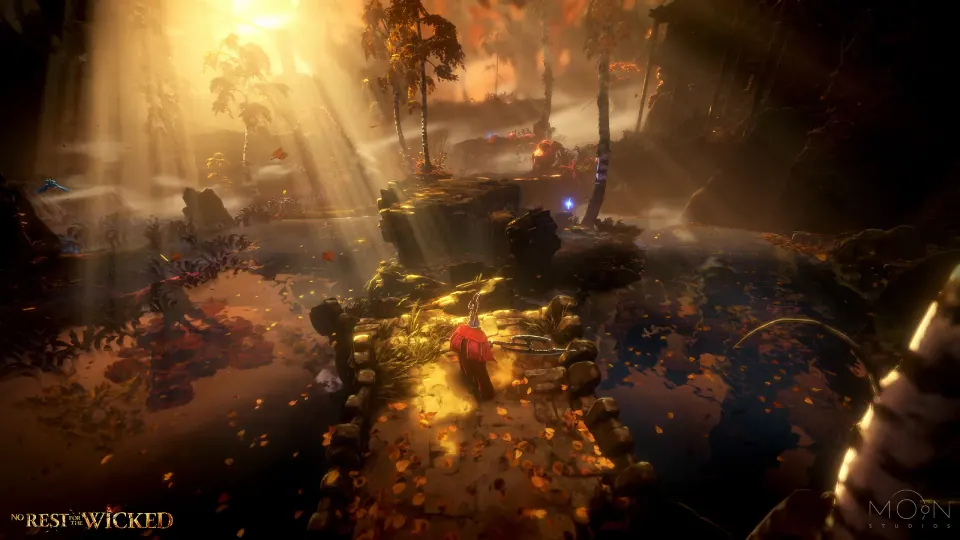
Item System Overview
Items support exploration, recovery, crafting, equipment improvement, access, and quest progression. The difficult beginner decision is rarely whether an item exists; it is whether to use it now, reserve it for a known project, or keep it until its purpose is verified.
Together changed major parts of this system, including crafting tables, item research through the Scribe Table, refining support, and recipe access. A launch-period guide may therefore use familiar item names while giving obsolete advice about how they are obtained or spent. Current in-game descriptions and versioned sources take priority.
How This Guide Organizes Items
The website uses three beginner-facing entry points:
- Resources covers gathered and refined inputs as a practical navigation group.
- Materials covers inputs committed to crafting, upgrading, research, and related progression systems.
- Consumables covers items used during preparation or play rather than installed as equipment.
These labels improve navigation; they do not replace the categories displayed by the game. The reviewed current-build index separately recognizes crafting materials, upgrade materials, cooking ingredients, keys, and quest items. An individual record should retain the game’s current wording.
Why Beginners Care
Early inventory pressure encourages quick decisions, but selling, consuming, or processing an unfamiliar item can close off an experiment or create another gathering trip. Use a simple four-way sort:
| Group | Beginner action |
|---|---|
| Immediate supplies | Carry only what supports the route or encounter you are attempting. |
| Active project | Reserve inputs for the weapon, armor, station, or research goal currently being tested. |
| Progression-sensitive | Keep keys, quest items, unfamiliar research inputs, and anything with a unique description until its role is clear. |
| General reserve | Store common materials separately so they are available for later crafting or town needs. |
The point is not to hoard everything forever. It is to delay irreversible decisions until you can identify the item’s current use and whether its source is renewable.
Current Crafting Context
Moon Studios’ Together notes document a reworked crafting environment: crafting stations were simplified, item research moved through the Scribe Table, recipes and blueprints changed, and refineries gained fuel support. Material requirements were also reshuffled. These are strong reasons to distrust exact costs copied from an older guide.
Use this safe workflow:
- Decide what equipment or utility result you are trying to create.
- Confirm the current station or research step in the live interface.
- Check which inputs are already owned and which need a verified source.
- Spend the minimum needed to test the result.
- Record or remember which materials belong to the next step before starting another project.
The crafting guide explains the process from the player’s perspective. Individual database records will eventually connect each verified item to its current use and source.
Reading an Item Record
Every useful item entry should answer five questions:
- Category: how the current game or editorial navigation groups it.
- Description: what the current item text safely establishes.
- Usage: the confirmed system, recipe, upgrade, access point, or quest role.
- Source: where the item is confirmed to come from, with uncertainty separated from fact.
- Version: which build was checked and when.
Rarity and location are not inferred from similar items. A record can be useful with an unknown location if it clearly says what is verified and what still needs research.
Inventory Habits That Save Time
- Keep active build materials in a dedicated storage group.
- Separate cooking ingredients from equipment-upgrade inputs.
- Do not treat keys or quest items as ordinary crafting stock.
- Recheck old items after a major update instead of assuming their purpose is unchanged.
- Compare the current description before following an old farming route.
- Spend deeply only after the target weapon or armor has passed a practical combat test.
These habits support the beginner guide, weapons guide, and Build Hub by keeping experimentation possible.
Verified Database Policy
The public item list includes only records whose source IDs, verification date, and game version pass the existing data gate. A community index may establish that a name exists in a current build, but it does not by itself prove a drop rate, renewable farming route, vendor stock, or quest outcome. Missing fields remain unpublished rather than filled from analogy.
Sources
System changes come from Moon Studios’ official Together update notes. Category organization was checked against the current items and crafting hub and current-build materials index. Community indexes support taxonomy; exact routes and costs require separate verification.
- Author
- No Rest for the Wicked Wiki Editorial Team
- Category
- Items
- Game version
- Early Access — Together Hotfix 9
- Verification
- published
- Last verified
- 2026-08-10
- Source
- Official Together crafting changes and current-build community item indexes; individual routes, costs, and drop rates remain record-gated.
Change log
- : Verification workflow fields added.
- : Positioned Items as supporting information for guides and progression.
- : Published a source-reviewed item-system guide with category boundaries, inventory decisions, and current-version crafting context.
Item categories
Prepare your inventory
- Before exploring
- Check your recovery supplies and available inventory space. Pick one gathering goal so that you can recognize useful materials without collecting blindly.
- Before crafting
- Read the recipe and compare its requirements with what you already own. Reserve materials for the equipment you actively use before spending on alternatives.
- Before a boss attempt
- Choose the consumables you intend to use and rehearse accessing them. Decide on a safe recovery window instead of waiting until pressure forces a hurried choice.